3 Signs Your Sewer Line Needs Repair
Your home's sewer line is probably not a part of your home you think a lot about....at least as long as it is working the way it should. The sewer line is responsible for transporting waste materials out of your Nashville home and away from your property to be disposed of in a safe, secure location.
When the sewer line becomes compromised, it is not able to do this job effectively. As a homeowner, it is important to know the warning signs to watch out for when your sewer line is in need of a repair.
 Locations Where a Sewer Line Might Clog
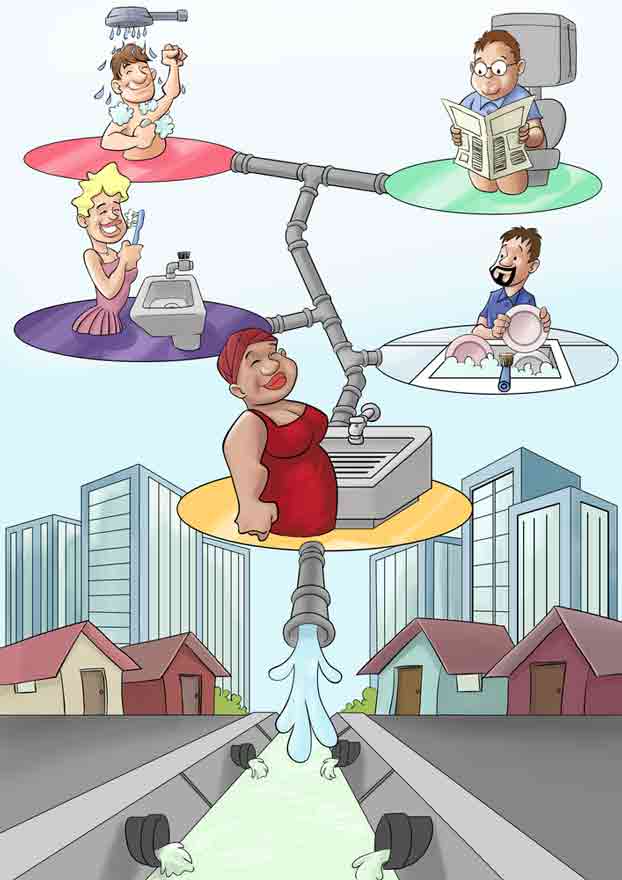
There are several locations where your sewer line might develop a clog and a number of possible causes for the clog.
Here are some common locations where small or large clogs may form:
- Plumbing traps. Traps are the small curved areas that are designed to be airtight against gases. These sections can be removed to clear clogs.
- Toilet traps. Toilets each have their own trap (which is why water is always present in the tank and bowl areas).
- The Y-pipe. Beneath your home, the many ancillary sewer pipes meet up with the main drainpipe. This drainpipe is responsible for carrying your particular home's waste out to the city or township sewer line so it can be transported away safely. Because of the Y-shape of this pipe connector, sometimes clogs can form here as well.
Reasons Why Your Sewer Pipes Might Clog
Just as there are many possible areas in your home's sewer line network where small or larger clogs may form, there are a number of possible causes of such clogs. It can be a good idea to familiarize yourself with possible causes so you can be sure to avoid contributing further to the possibility of a clog.
Here are some of the most common reasons why pipes may clog:
- Tree roots. Tree roots, especially from older or larger trees or from trees where there are no root barriers surrounding the property, are a major cause of clogged drains. Roots can also cause punctures, cracks and holes in the sewer pipes.
- Foreign material. Hair, sanitary products, kitty litter, baby diapers, grease, paint...the list of foreign materials that sometimes end up in sewer pipelines is endless. These materials are contraindicated for sewer pipes because they do not pass through easily and can readily bunch up and cause clogs.
- A problem with the main sewer line. Occasionally, material build-up, tree roots from another area or other factors may cause a clog in the main sewer line system that then impacts your personal sewer line. In this case, the responsibility lies with the city of Nashville rather than with the homeowner.
3 Repair Signs to Watch For
When you know where most clogs take place and the most common reasons why clogs happen, what you need to know next is how to tell when a clog is forming in your home's sewer network. Knowing the warning signs is critical, since for the most part you can't see inside your home's sewer line on your own in any useful way.
Here are three of the biggest clues to watch for that will tell you when to call a plumbing specialist to check your sewer line:
 Sign #1. A "talking" toilet.
 Sign #1. A "talking" toilet.
If you feel like your toilet talks to you after you flush it (and keeps up a running monologue for the foreseeable future thereafter), you may have a plumbing line clog on your hands. The toilet is perhaps the number one indicator that a clog is forming because it produces very audible warning signs.
Other toilet signs to watch for include:
- If your toilet sounds like it is gurgling or constantly running.
- If you have to jiggle the handle to get the running sound to stop.
- If the tank (above the bowl) part seems to "sweat" for no reason (if condensation forms on the outside area).
- If the water level in the bowl part fluctuates up and down, for example, if sometimes it all drains out and sometimes it doesn't seem to drain much at all after a flush.
- If you hear clanks, rattles or gurgles that seem to be coming from behind your walls or under the floor (which means they are happening in the lines you can't see).
Each of these warning signs may be an indication there is a sewer line leak or clog, which means it is time to call out the plumbing specialist!
Sign #2. There is an odd, unpleasant smell you can't place.
This type of smell has often been described as "dank or damp." It may smell like something is lightly rotting or molding. You may smell it in any or all of the following places:
- Inside your bathroom and near the toilet.
- Outside your home near the sewer and water lines.
- In damp or pooled puddles around your home on the lawn.
Sign #3. Fixtures that drain slowly or clog up.
If you have fixtures - sinks, toilet, tub, et al - that drain slowly or sometimes not at all, this can be a clear indication of a clog-in-progress.
When it comes to plumbing issues such as sewer line clogs or leaks, the danger of sanitation issues makes it a wise choice to contact a plumbing professional rather than try to handle the issue yourself. By watching for warning signs and taking prompt action, you can confine any sewer line breaches or clogs to a minor issue that won't affect your family's safety.
A plumbing professional can perform specific diagnostics and use sophisticated camera technology to see deep down into your sewer line and make the necessary repairs quickly.
For quality services in your Nashville, TN home, call Green Hills Plumbing at (615) 383-3339 or visit www.greenhillsplumbingtn.com.